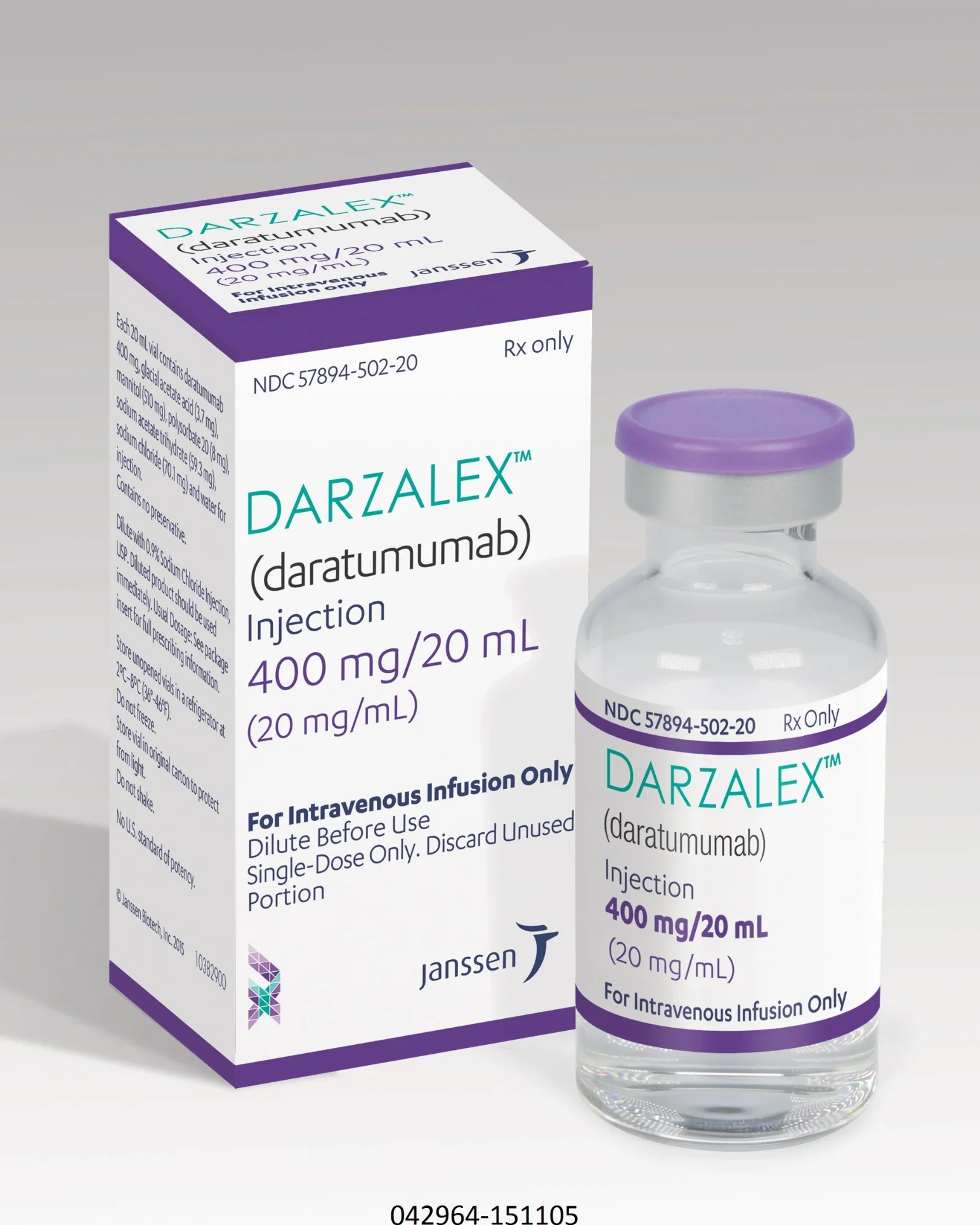
Recent trials on J&J's Darzalex (daratumumab) have shown positive resultsfor the therapy as a standalone and in combination with existing maintenancetherapies. In the AQUILA trial, daratumumab significantly delayed progressionto active multiple myeloma in 63.1% of high-risk smoldering MM patients overfive years, compared to 40.8% with active monitoring. The PERSEPHONE trialalso demonstrated that adding daratumumab to lenalidomide maintenancetherapy after transplant in multiple myeloma patients significantly increasedMRD-negative conversion rates to 50.5% compared to 18.8% withlenalidomide alone.


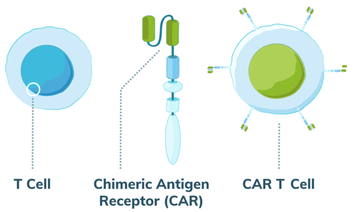
In response to the influx of T-cell therapies entering the market formultiple myeloma treatments, the International Myeloma Working Grouprecently issued their recommendations for sequencing of these therapies.The working group, and the industry as a whole, view T-cell redirectingtherapies, including CAR T-cell and bispecific T-cell engagers (TCE), assignificant advancements in treating multiple myeloma, particularlytargeting B-cell maturation antigen (BCMA) and G protein-coupledreceptor class C group 5 member D (GRPC5D). The ninerecommendations for sequencing intend to address safety concerns suchas washout periods between therapies, and advocate for the prioritizationof CAR T-cell therapy over TCEs when feasible, based on higher activitylevels and better treatment outcomes post-sequencing.

Dr. Reddy's recently announced a licensing agreement with Shanghai Henlius Biotechto jointly develop and market a biosimilar of J&J's Darzalex for multiple myeloma.HLX15 successfully completed its Phase I clinical trial in June 2024, demonstratingcomparable pharmacokinetics, safety, and immunogenicity to the reference drug,with further efficacy studies underway. Under the deal, Dr. Reddy's will secureexclusive marketing rights in the U.S. and Europe for the biosimilar HLX15 in bothintravenous and subcutaneous forms, in exchange for up to $131.6 million, includingan upfront payment of $33 million. Henlius will lead the development, manufacturing,and commercial supply, while also receiving royalties on annual net sales.
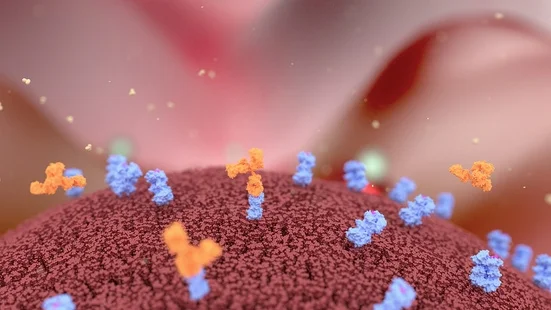
The UK's Medicines and Healthcare Regulatory Agency (MHRA) and theEuropean Medicines Agency recently approved Sanofi's Sarclisa(isatuximab) combined VRd for newly diagnosed transplant-ineligiblemultiple myeloma patients, based on the Phase III IMROZ study. The drug,designed to target the CD38 receptor on multiple myeloma cells, is thefirst and only anti-CD38 quadruplet therapy available for transplantineligible multiple myeloma patients in the UK.
Opna Bio recently received orphan drug designation from the FDAfor OPN-6602, a novel therapeutic for relapsed or refractory (R/R)multiple myeloma (MM). Preclinical data demonstrates that OPN6602 suppresses tumor growth and enhances efficacy whencombined with dexamethasone, pomalidomide and mezigdomide.The ongoing Phase I trial is expected to complete its doseescalation phase by 2026, with plans for further combinationstudies. The orphan designation offers Opna Bio benefits such asseven years of market exclusivity and other financial incentives withthe objective of getting the novel therapy into patients' hands.

Results from a recent study published by a coalition of Chineseuniversities revealed that Epstein-Barr virus, a contagious type ofherpesvirus, is a risk factor for multiple myeloma. The Mendelianrandomization study using the FinnGen Consortium's MM R11 and R10datasets found that Epstein-Barr virus EBNA-1 antibodies are associatedwith a 36% increased risk of multiple myeloma. The research revealed thatEBNA-1 antibodies may downregulate HLA-DR* myeloid dendritic cells,suggesting a mechanism for MM development and highlighting potentialpharmaceutical intervention targets.


Get expert analysis, industry trends, and exclusive updates delivered straight to your inbox. Stay ahead of the curve with valuable insights that drive success.