EARLY ALZHEIMER'S DISEASE
Leqembi (lecanemab) has become the first and only approved treatment shown toreduce the rate of disease progression and to slow cognitive and functional declinein adults with Alzheimer’s disease. These results were demonstrated in the Phase 3Clarity AD clinical trial. Following its approval, The Centers for Medicare &Medicaid Services broadened coverage, in support of the drug.

MULTIPLE SCLEROSIS
Roche has announced that the Phase III OCARINA II trialfor Ocrevus (ocrelizumab) has achieved its primary andsecondary objectives. The trial evaluated thesubcutaneous (SC) injection of Ocrevus, administeredtwice a year in patients with relapsing forms of multiplesclerosis (RMS) or primary progressive MS (PPMS).Ocrevus only takes 10 minutes to administer. The resultsdemonstrated that the SC injection was non-inferior tothe intravenous infusion in terms of pharmacokineticsand showed comparable effectiveness in controllingbrain lesions on MRI scans. Ocrevus remains the firstand only therapy approved for both RMS and PPMS, withover 300,000 patients treated globally.
COMPANION DIAGNOSTIC
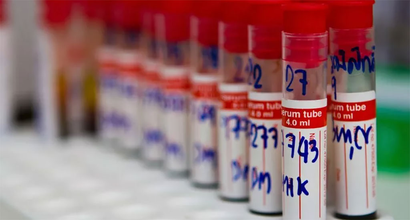
Quanterix has launched "LucentAD" , a biomarker bloodtest, to assist in the evaluation of patients experiencingcognitive symptoms consistent with the early signs ofAlzheimer’s disease.
The test measures the concentration of a specificphosphorylated tau protein isoform (p-Tau 181) in bothplasma and cerebrospinal fluid. This isoform has showna positive correlation with the presence of amyloidpathology in the brain, which is a key characteristic ofAlzheimer's disease.
MULTIPLE SCLEROSIS
The data demonstrated a 9-point improvement at Week96, previously reported to be the Minimally ImportantDifference (MID) for the Fatigue Impact Scale in an MSpopulation. This is a significant improvement in physicaland cognitive fatigue for patients. Briumvi (ublituximab)is a novel monoclonal antibody that targets CD20expressing B-cells and is indicated for the treatment ofadults with RMS.

SPINOCEREBELLAR ATAXIA
The NDA was supported by Biohaven's pivotal Phase 3BHV4157-206 trial, which demonstrated consistenttreatment benefits observed in patients with genotypeSpinocerebellar ataxia type 3 (SCA3). SCA3 is an ultrarare neurodegenerative disease characterized byprogressive disability, frequent falls, loss of ambulation,speech and swallowing difficulties, and prematuredeath. It is the most common subtype of spinocerebellarataxia worldwide, affecting an estimated 10,600 peoplein North America, the European Union, and Japan.
RETT SYNDROME
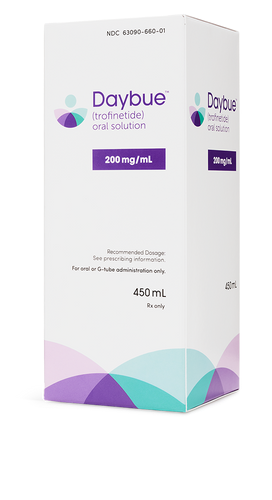
The company published its pivotal Phase 3 results,evaluating Daybue (trofinetide), for the treatment of girlsand women 5 - 20 years of age with Rett Syndrome, inNature Medicine. The results showed statisticallysignificant improvement in patients taking Daybue,compared to those taking placebo in both primary andsecondary efficacy outcomes. These results werepreviously leveraged for the FDA approval of Daybue inMarch 2023, making Daybue the first and only approvedtherapy for Rett syndrome. Rett syndrome is categorizedas a rare, neurodevelopmental disorder, which affects6,000 to 9,000 patients in the US. Additionally, thecompany received a Rare Pediatric Disease PriorityReview Voucher with the FDA approval.


Get expert analysis, industry trends, and exclusive updates delivered straight to your inbox. Stay ahead of the curve with valuable insights that drive success.