BCMA AND CD19 CAR T CELL THERAPY
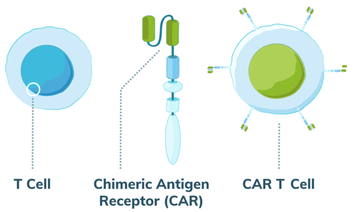
The FDA is investigating reports of T-cell malignancies,including CAR-positive lymphoma, in patients treatedwith BCMA- or CD19-directed CAR T cell therapies. TheFDA is assessing the risk of T-cell malignancy, andevaluating the need for regulatory action. Approvedtherapies include Abecma, Breyanzi, Carvykti, Kymriah,Tecartus, and Yescarta, with a labeled class warning forpotential secondary malignancies.
At ASH 2023 BMS's Abecma, a CAR-T therapy formultiple myeloma demonstrated no advantage inextending patient lives compared to standardtreatments after prior therapies. Although it delayeddisease progression, overall survival rates didn't show asubstantial advantage, partly due to patients passingaway before receiving Abecma and fewer receivingeffective interim treatments. While experts findpromise in Abecma's progression-free survival, the FDAemphasizes overall survival in evaluating cancer drugs,complicating its approval, especially amidst theongoing investigations into CAR T therapy risks.


MYELOFIBROSIS / THROMBOCYTOPENIA
An AI-powered machine learning algorithm showcasedat the 2023 ASH Annual Meeting accuratelydistinguished between prefibrotic primary myelofibrosis(pre-PMF) and essential thrombocythemia (ET) indiagnostic bone marrow biopsies, achieving a notable92.3% accuracy. Trained on a dataset of 32,226 patientderived whole-slide images (WSI), the algorithmdemonstrated 66.6% sensitivity and 100% specificity ina validation cohort. Lead author Dr. AndrewSrisuwananukorn emphasized the algorithm's role as aclinical decision support tool for physicians, aiding inscreening and diagnosis. The algorithm, trained usingWSI from the University of Florence and validated at theMoffitt Cancer Center, was developed using the opensource AI framework Slideflow. Utilizing Aperio AT2slide scanners, the algorithm can produce predictionson a standard laptop within 6 seconds. Achieving anarea under the receiver operator curve (AUROC) of 0.90,the model's accuracy was maintained at 92.3%following optimization thresholding. This approachmarks a crucial step in the integration of AI algorithmsinto clinical practice.

CHRONIC LYMPHOCYTIC LEUKEMIA
In the Phase 3 FLAIR trial presentedat the 2023 ASH Annual Meeting,ibrutinib and venetoclax demonstratedimproved survival over fludarabine,cyclophosphamide, and rituximab (FCR) intreatment-naive chronic lymphocyticleukemia (CLL) patients. Notably, theduration of therapy with ibrutinib/venetoclax wasdetermined by the patient's minimal residual disease(MRD) response. At a median follow-up of 43.7 months,97.2% of patients on ibrutinib/venetoclax remainedprogression-free, showcasing the efficacy of an MRDguided approach. The trial is the first to demonstratethat an MRD-guided strategy with continued treatmentbeyond MRD negativity provides a significant advantageover chemotherapy in terms of progression-free survivaland overall survival.

MULTIPLE MYELOMA
The Phase 3 PERSEUS trial presented at the 2023 ASHAnnual Meeting demonstrated a significant improvementin progression-free survival compared to the currentstandard-of-care regimen of VRd followed by ASCT, VRdconsolidation, and lenalidomide maintenance in newlydiagnosed, transplant-eligible multiple myeloma patients.At a median follow-up of 47.5 months, the 4-year PFS ratewith D-VRd was 84.3% compared to 67.7% with VRd,resulting in a 58% reduction in the risk of diseaseprogression or death.
MYELOFIBROSIS
The phase 3 TRANSFORM-1 study presented at the2023 ASH Annual Meeting showed that combiningnavitoclax with Jakafi significantly reduced spleenvolume by 35% or more in myelofibrosis patients,outperforming Jakafi alone. Although symptomscores didn't vary significantly, the combo'seffectiveness in targeting the BCL-XL pathwaydemonstrated promise against JAK resistance and high molecular risk mutations,despite an increase in manageable side effects. Navitoclax's efficacy againstmyeloproliferative neoplasms (MPN) is promising, particularly in overriding JAKresistance when combined with Jakafi. The study also highlighted the importanceof high molecular risk mutations in myelofibrosis. AbbVie has stated it aims fornavitoclax's FDA submission in 2023 pending pivotal study results.


Get expert analysis, industry trends, and exclusive updates delivered straight to your inbox. Stay ahead of the curve with valuable insights that drive success.