HEMOPHILIA
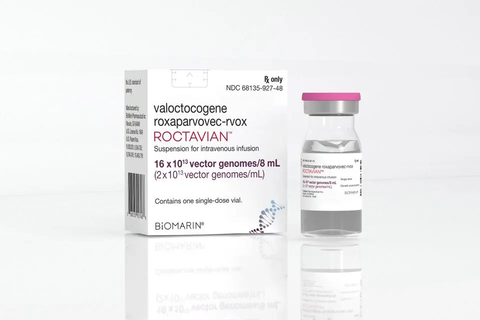
ABioMarin's gene therapy Roctavian has gained FDA approval for the treatment ofsevere hemophilia A in adults. Priced at $2.9 million, the therapy is suitable for around2,500 US patients. Clinical trials reported a 52% reduction in annual bleeding cases,though this efficacy data is lower than the EU approval's 85.5%. The single-dosetherapy represents a convenient and promising addition to the treatment landscape,potentially expanding access to treatment for a broader range of patients withhemophilia A

SICKLE CELL DISEASE (SCD)
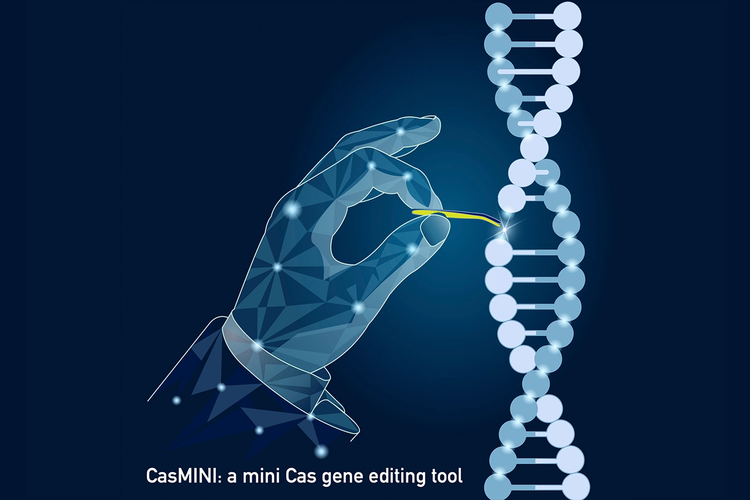
A recent clinical trial published in the New EnglandJournal of Medicine demonstrated a decrease in painfulvaso-occlusive events in SCD patients. The patientswere treated with stem cell gene therapy, usingCRISPR-Cas9 technology to edit genes and increasefetal hemoglobin production. These results demonstratea promising curative treatment
NEURONAL CEROID LIPOFUSCINOSIS TYPE 2
Regenxbio presented Initial interim data from a singlepatient trial of its investigational gene therapy, RGX-181(AAV9 delivering TPP1) gene therapy at SSIEM 2023. Thetherapy aims to treat late-infantile neuronal ceroidlipofuscinosis type 2 (CLN2) disease. RGX-181demonstrated promising results, including reducedseizures (86% reduction), increased intervals betweenenzyme replacement therapy infusions, and improvedmotor and language skills after six months. RGX-181 waswell tolerated with no serious adverse events.

CARDIOLOGY
BioCardia has completed anexternal review of its Phase IIIpivotal trial of CardiAMP CellTherapy for Heart Failure,which has FDA BreakthroughDesignation. The reviewconfirmed the quality of thetrial and its interim results. Although the interimanalysis didn't include final results, it showed that thetherapy was well tolerated and led to a reduction in allcause deaths and major adverse cardiac events. Thoughthe results are clinically meaningful, they were notstatistically meaningful. BioCardia will continue toanalyze the data and work on improving efficacy
MESIAL TEMPORAL LOBE EPILEPSY (MTLE)
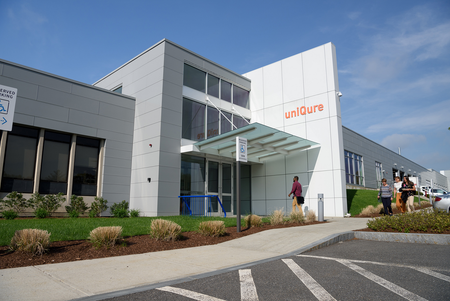
UniQure has received IND clearance for its gene therapycandidate, AMT-260, designed to treat refractory mesialtemporal lobe epilepsy (MTLE). AMT-260 utilizes anAAV9 vector to deliver engineered miRNAs targetingthe GRIK2 gene, which is associated with seizures inrefractory MTLE patients. A Phase I/IIa clinical trial,starting in Q4 2023, will assess safety, tolerability, andefficacy, offering hope for
MANUFACTURING
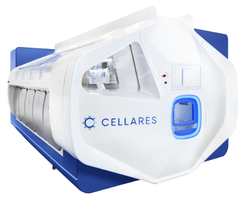
Cellares, a cell therapy manufacturer, secured $255 millionin a series C investment round to finalize the constructionof its commercial-scale cell therapy manufacturing facilityin Bridgewater, NJ. The total backing for the company isnow $355 million. Cellares has introduced a novel acronym,IDMO (integrated development and manufacturingorganization), to describe its unique approach to celltherapy manufacturing, aiming to overcome the cost and scalability challengesfaced by conventional CDMOs. The facility will be highly automated, utilizing aplatform called ‘Cell Shuttles’, which allow for a tenfold increase in productivitycompared to traditional CDMO facilities. The facility will be 118,000 ft² and willproduce 40,000 cell therapy batches annually. It is expected to be operational inthe second half of 2024.


Get expert analysis, industry trends, and exclusive updates delivered straight to your inbox. Stay ahead of the curve with valuable insights that drive success.